

Functional formulation
Resin and film-forming systems for ESD control, hydrophilic anti-fog, hydrophobic and oleophobic behavior.
Formulation, substrate compatibility and application engineering are developed as one connected system.
Real materials, representative substrates and comparable measurements support development and application decisions.
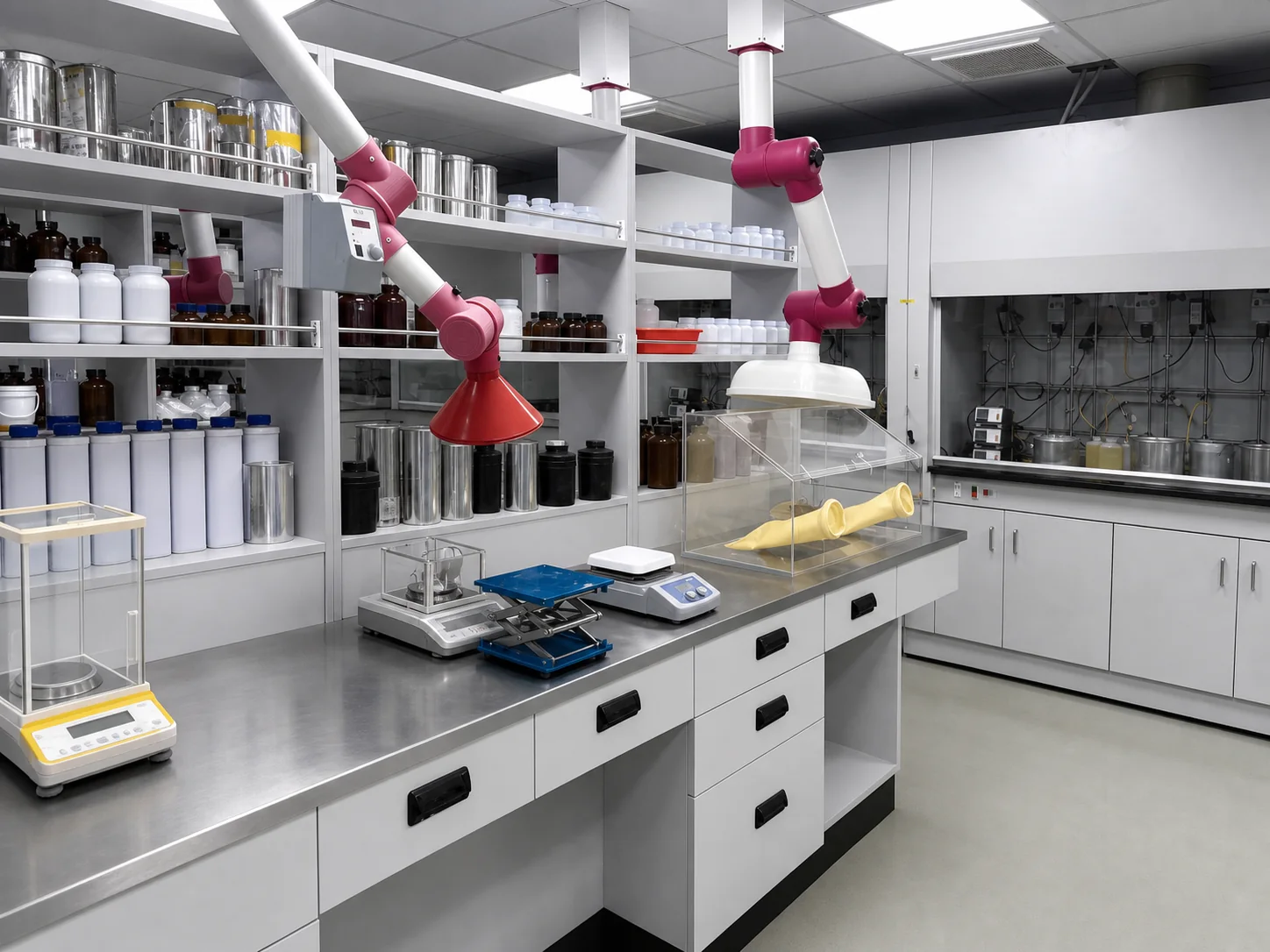

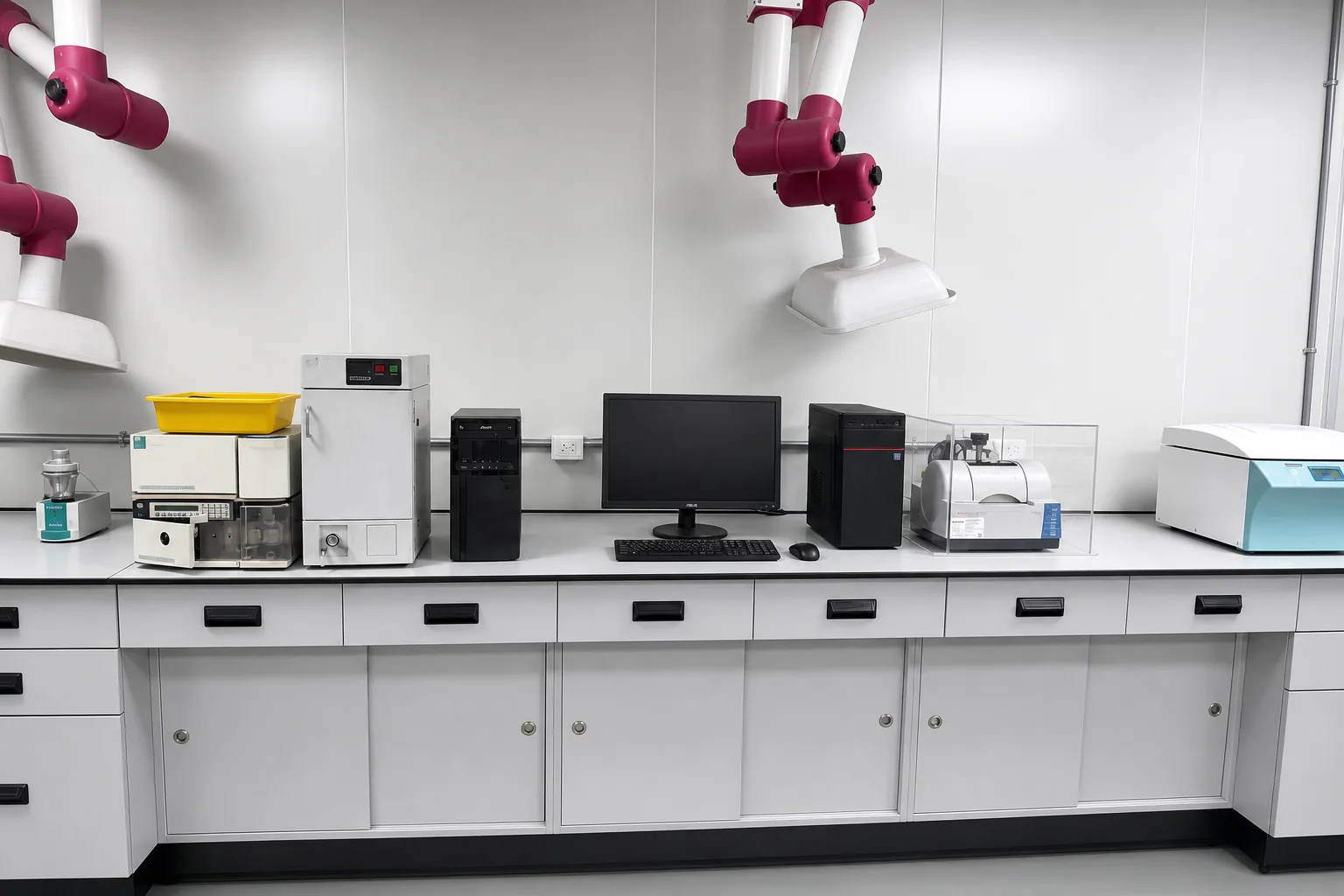
We design around the product function and the actual manufacturing route.
Resin and film-forming systems for ESD control, hydrophilic anti-fog, hydrophobic and oleophobic behavior.
Material behavior considered across plastics, films, glass, metal and available coating methods.
Representative parts are used to compare function, appearance and process compatibility.
Evaluation items are selected for the material function and product requirements, with substrate, pretreatment, film build, cure, conditioning and test method recorded.
Surface resistance, surface resistivity and electrical retention after heat-humidity, cleaning or abrasion.
Transmittance, haze, gloss, color difference and uniformity of transparent films.
Water or oil contact angle, wetting, adhesion, hardness and defined abrasion conditions.
Heat-humidity, thermal cycling, wiping, cleaners, solvents or UV followed by functional remeasurement.
Development advances through a controlled path from requirement definition and formulation to samples, component testing and the manufacturing window.
Record the substrate, target function, appearance, process limits and acceptance method before formulation work begins.
Control composition, pretreatment, film build and cure so results can be compared and repeated.
Use the approved sample to define the application, drying or cure, inspection and documentation needed for introduction.
Share the substrate, required function and existing process so the evaluation plan can begin with the correct variables.