
CAREERS AT SHIELD

Build high-value material solutions with us

Join work that connects chemistry, coating processes and customer applications across semiconductor, electronics and precision manufacturing.

CAREER EXPERIENCE

A professional career is more than an opening

Explore learning, technical disciplines, the workplace and our application process.

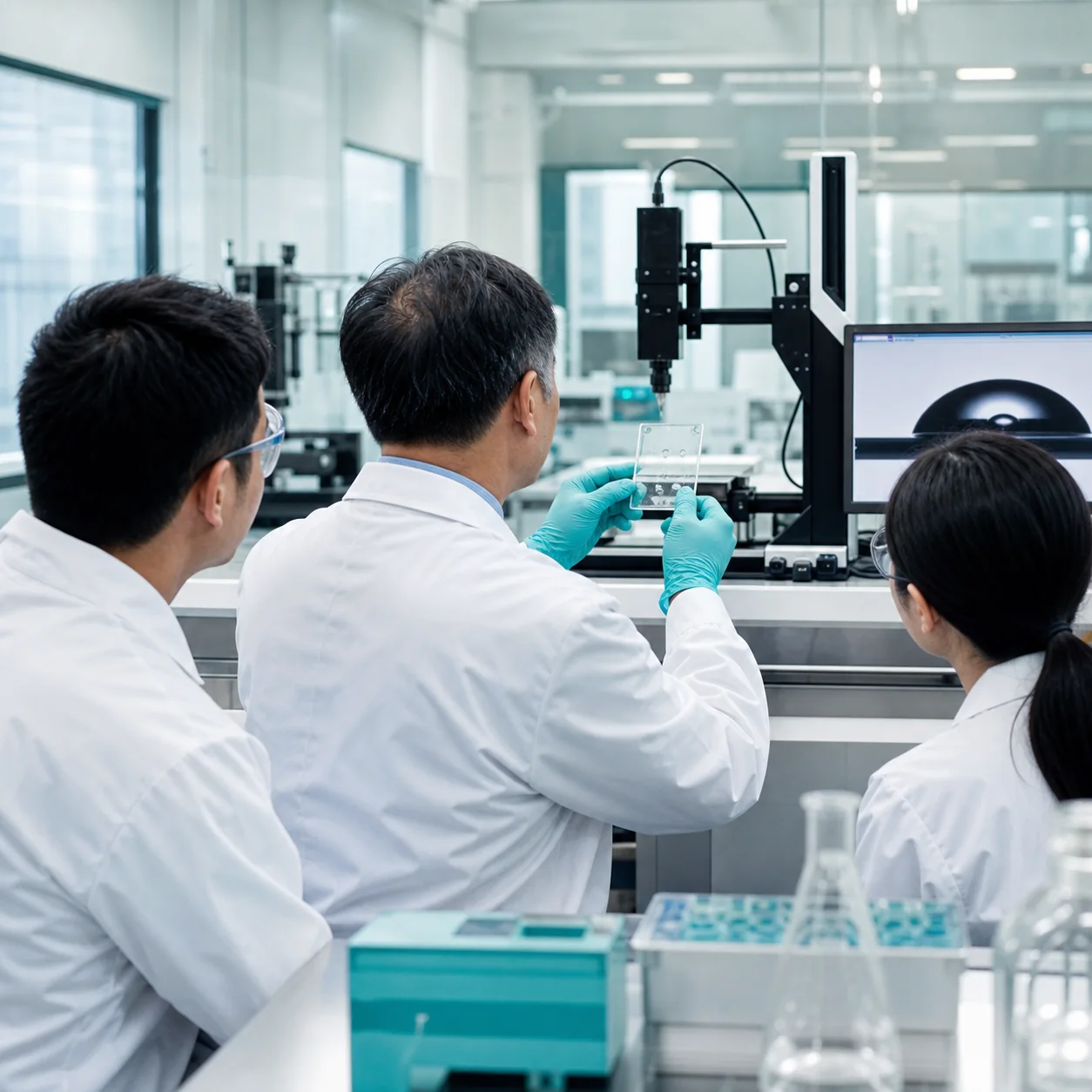
Technical team training with contact-angle measurement
01

Learning & Development

Technical Growth

Training is organized around safety, method and data, progressing from core operations to independent material and process judgment.

  • OnboardingChemical management, PPE, equipment operation, laboratory records and quality traceability
  • Technical developmentFormulation, coating and cure, electrical, optical, contact-angle and durability analysis
  • Project growthVariable control, data interpretation, root-cause analysis, technical reports and cross-functional communication
01Formulation & filmsFormulation
02Analysis & measurementMeasurement
03Application & processApplication
WORK WITH PURPOSE

From formulation to production

Work begins with a functional specification, then moves through material selection, formulation, film formation, measurement and interpretation to produce evidence for product and process decisions.

Technology focusTransparent antistatic, hydrophilic anti-fog, hydrophobic easy-clean and custom functional coatings.
Materials and partsPlastics, films, glass, metal, electronic packaging, precision components and semiconductor-related parts.
Technical outputMaterial formulations, coated samples, measurement data, technical reports and application conditions.
PROFESSIONAL FIELDS

Roles in materials and analysis

Openings depend on project and organizational needs. These fields describe the work performed across the technical team.

01 / MATERIALS R&D

Materials R&D

Design resin, additive and film-forming systems around functional targets and connect composition, film structure and performance.

  • Formulation design and sample preparation
  • Material-version and experiment records
  • Interpretation and technical direction
02 / APPLICATION

Application Technology

Apply materials to representative substrates and parts to confirm wetting, appearance, adhesion, cure and function in the intended environment.

  • Substrate and pretreatment alignment
  • Coating, drying and cure optimization
  • Sample, part and process troubleshooting
03 / ANALYSIS

Quality & Analysis

Generate comparable data using consistent methods while maintaining traceability across samples, conditions, material versions and results.

  • Instrument operation and method control
  • Electrical, optical and film evaluation
  • Test data, reports and quality records
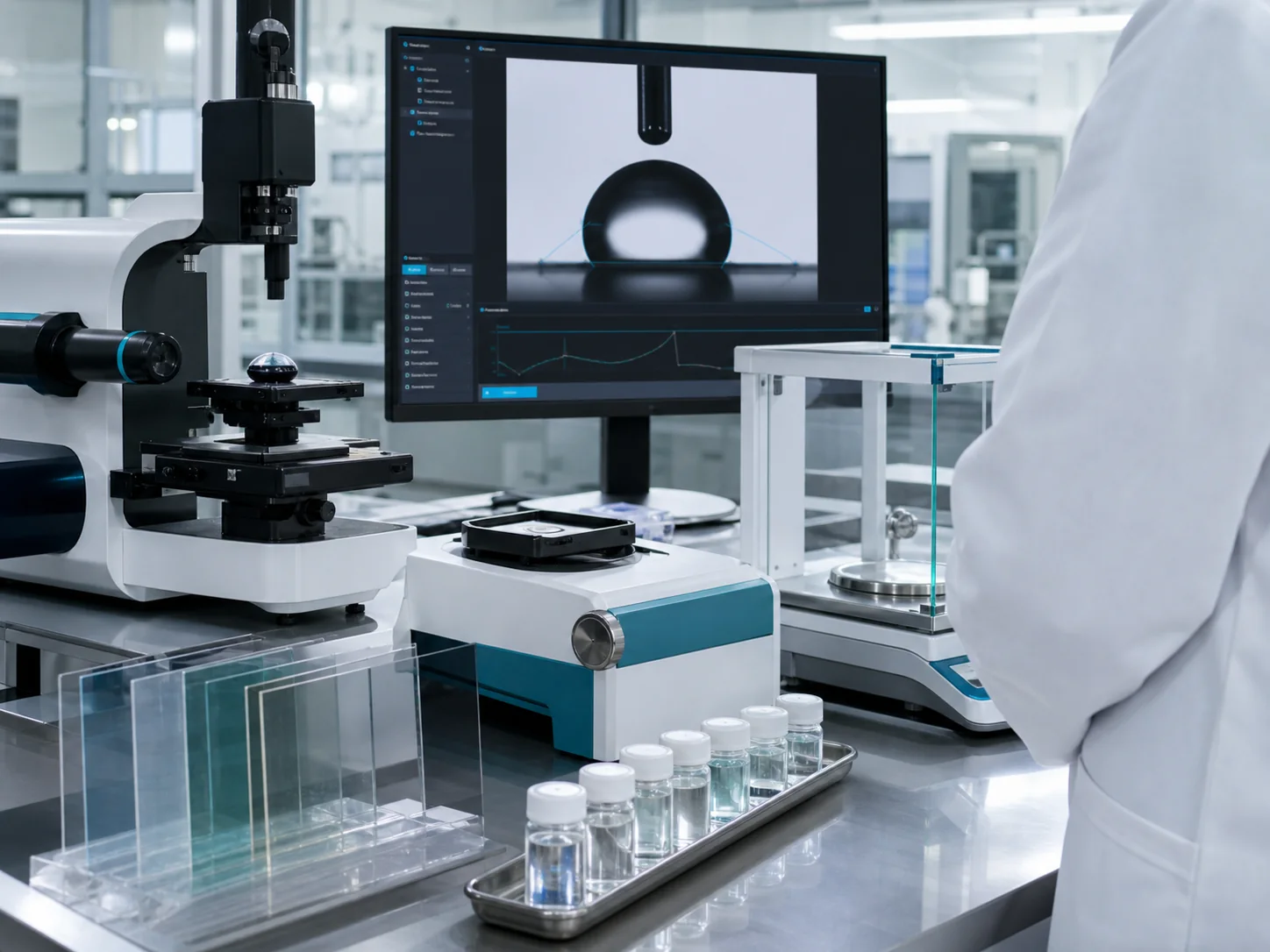
Professional contact-angle, optical and precision materials-analysis equipment
Laboratory analysis and sample-evaluation workspace
LABORATORY & ANALYSIS

Instruments that support material decisions

Laboratory work covers formulation, precision weighing, film formation, surface characterization and reliability evaluation. Formal records identify method, environment and sample condition.

Electrical analysisSurface resistance, surface resistivity and retention after reliability exposure.
Optics and appearanceTransmittance, haze, gloss, color and transparent-film appearance.
Surface propertiesWater or oil contact angle, wetting, sliding and cleaning behavior.
Film and durabilityAdhesion, hardness, abrasion, wiping, chemicals and environmental cycling.
LEARNING & DEVELOPMENT

Develop through technical projects

Professional growth means more than completing experiments. It develops material judgment, instrument analysis, problem decomposition and cross-functional communication.

01

Onboarding and safety

Learn chemical management, laboratory safety, work records, equipment operation and quality requirements.

02

Project-based learning

Begin with material preparation, formulation, film formation and testing, then take ownership of broader technical work.

03

Review and feedback

Use data and sample reviews to identify key variables and define an executable next step.

04

Professional depth

Develop expertise in surface chemistry, material analysis, application processes and quality methods as the role requires.

WORKPLACE & SUPPORT

A safe, professional workplace

Role scope and employment terms are confirmed during recruitment. Statutory employment protection and work-specific safety and technical training are provided.

Statutory protection

Labor insurance, National Health Insurance, pension contributions and statutory leave are administered under Taiwan law.

Laboratory safety

Operating controls, protective equipment and safety training are defined for chemical and equipment risks.

Professional development

Project work, technical review and knowledge exchange build independent technical judgment.

Role and compensation

Assessment reflects role scope, professional capability, experience and responsibility, with terms confirmed during recruitment.

APPLICATION PROCESS

Recruitment process

Each stage aligns professional background, role needs and mutual expectations.

  1. 01

    Resume review

    Review education, experience and intended professional direction.

  2. 02

    Professional interview

    Discuss the role, technical experience, problem-solving approach and expectations.

  3. 03

    Terms confirmation

    Confirm the role, responsibilities, compensation and intended start date.

  4. 04

    Onboarding and training

    Complete onboarding and begin role-specific safety, equipment and work training.

CAREER CONTACT

Join our materials team

Graduates and experienced professionals in chemistry, chemical engineering, materials, polymers, coatings, application processes, quality and analysis are welcome to submit their career information.

Recommended resume content

  • Education, experience and relevant technical skills
  • Role or professional direction of interest
  • Representative research, project or work results
  • Materials, instruments, tests or processes you know
  • Availability and preferred contact method

Career information is used for recruitment assessment and contact. Current openings, responsibilities and employment terms are confirmed through the formal recruitment process.